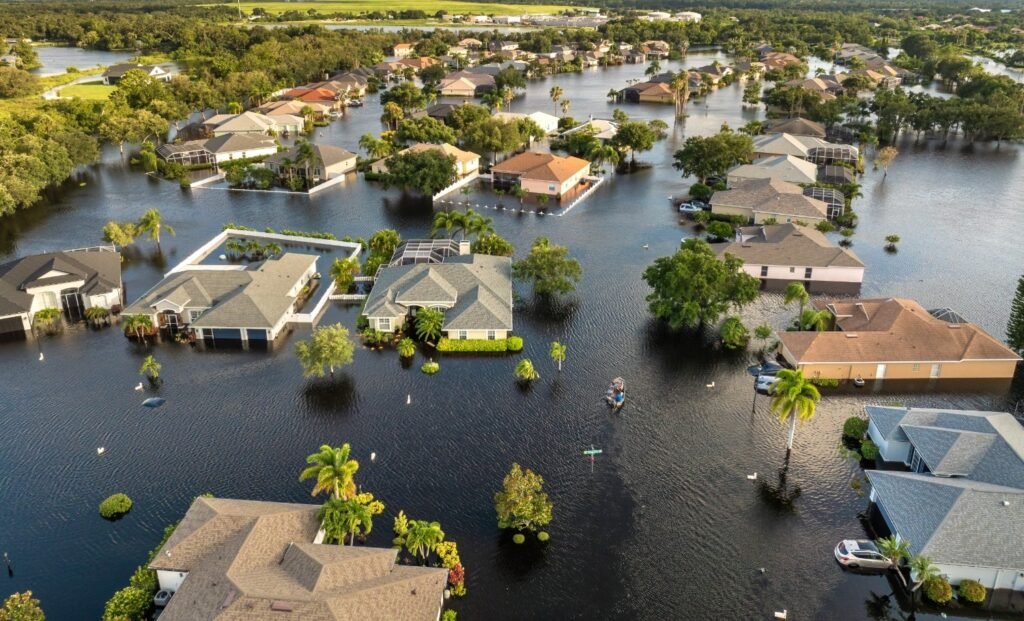
If a pipe bursts or a kitchen fire tears through your rental, the repair bill is only half the problem. While the unit sits empty for repairs, you’re not collecting rent — and the mortgage, taxes, and insurance premium don’t pause just because your tenant had to move out.
That’s the gap loss of use coverage is supposed to fill. But if you’ve read your DP3 or dwelling fire policy closely, you may have noticed the term “loss of use” doesn’t actually appear anywhere in it. Instead, you’ll see “fair rental value” or “loss of rents.” Same idea, different label — and knowing which label applies to your policy matters when you’re filing a claim.
This guide breaks down what loss of use coverage actually means for a landlord, how it works differently on a DP3 versus a standard dwelling fire policy, what it won’t pay for, and what documentation you’ll need to have ready if you ever have to file a claim.
This article is for informational purposes only and does not constitute legal or tax advice. Laws vary by state. Consult a qualified attorney or tax professional for advice specific to your situation.
What Is Loss of Use Coverage?
Loss of use coverage reimburses you for income or expenses you lose when a covered peril — fire, a burst pipe, wind damage, and similar events — makes a rental unit temporarily uninhabitable. On an owner-occupied homeowners policy, this coverage (often called Coverage D) pays the homeowner’s extra living expenses while their house is repaired.
For a landlord, the mechanics are different, because you’re not the one who needs a hotel room — your tenant already moved out. What you’re actually losing is rental income. That’s why most rental-property policies label this coverage “fair rental value” or “loss of rents” rather than loss of use, even though landlords still search for and refer to it as loss of use coverage.
Either way, the coverage typically pays you the fair market rent you would have collected, for the period reasonably needed to repair the unit, up to a policy limit and time cap. It kicks in only after a covered loss under the same policy — it isn’t standalone vacancy insurance, and it won’t help if the unit just sits empty between tenants for reasons unrelated to damage.
The National Association of Insurance Commissioners defines this coverage category as paying the fair rental value of a residence once it becomes uninhabitable from a covered loss — confirming that “fair rental value” is the industry’s preferred label even though landlords typically search for it as loss of use coverage.
DP3 Policies and Loss of Use Coverage
A DP3 (Dwelling Fire, Special Form) policy is the most common way small landlords insure a rental house. It’s built for non-owner-occupied property, so it assumes the person living there is a tenant, not you.
What a DP3 policy typically covers
A DP3 offers open-peril coverage on the dwelling itself, meaning it covers all causes of loss except the ones specifically excluded — floods and earthquakes are the usual exclusions, and you’d need separate policies for those. Beyond the structure, a DP3 usually includes limited coverage for on-site landlord property (like appliances you own), optional liability coverage, and the loss-of-rents provision this guide is focused on.
How the loss-of-rents provision works on a DP3
Because a DP3 is written for rental property, the version of loss of use coverage baked into it is almost always labeled fair rental value or loss of rents on the declarations page. It reimburses you the rent you were collecting (or the fair market rent) for the period the unit is unrentable due to a covered loss, minus any expenses you’re no longer paying because the tenant is out — utilities you cover, for example. It typically runs for a set number of months or until repairs are reasonably complete, whichever comes first.
Dwelling Fire Policies vs. DP3 Landlord Policies
“Dwelling fire policy” is the broader category; DP3 is one specific form within it. Understanding where your policy sits on that spectrum affects how much loss-of-rents protection you actually have.
Key differences small landlords should know
Dwelling fire policies come in three tiers — DP1, DP2, and DP3. A DP1 is a bare-bones, named-peril policy that typically pays actual cash value and may not include loss-of-rents coverage at all unless you add it. A DP2 covers more named perils but still isn’t open-peril. A DP3 is the broadest of the three, covers on an open-peril basis, and is the version most agents recommend for a standard rental house because it’s less likely to leave a coverage gap after a claim.
When each policy fits a 1–4 unit owner
If you self-manage a single-family rental or a small multi-unit property, a DP3 is usually the right starting point — it balances cost against the open-peril protection you want when a tenant, not you, is living in the property. A DP1 or DP2 might make sense for a lower-value or seasonal property where you’re trying to keep premiums down, but confirm with your agent whether loss-of-rents coverage is included or needs to be added as an endorsement, because it isn’t automatic on every dwelling fire form.
Nolo’s landlord insurance guide puts it plainly: a well-designed property policy protects your rental from losses caused by fire, storms, and similar perils, but the specific limits, exclusions, and add-ons still vary by carrier, so reading your declarations page — or asking your agent directly — matters more than assuming any DP3 automatically covers everything you need.
What Loss of Use Coverage Does Not Cover
It’s easy to assume this coverage protects you from any lost rent, but it’s narrower than that. Loss of use — or fair rental value — coverage generally does not pay for:
- Voluntary vacancy. If you choose not to re-rent a unit, or it’s empty because you’re between tenants for reasons unrelated to a covered loss, this coverage doesn’t apply.
- A tenant’s own belongings or displacement costs. Their personal property and any temporary housing they need are covered by their renters insurance, not your landlord policy.
- Non-covered perils. Flood and earthquake damage are the most common gaps; if those risks apply to your property, you’ll need separate coverage.
- Rent a tenant simply stops paying. That’s a rent-default or eviction issue, not an insurance claim — a documented rent history is your main protection there.
Fair Rental Value Coverage: The Term You’ll Actually See
If you pull out your policy and search for “loss of use,” you may not find it. On most landlord-specific policies, including DP3 forms, this protection is listed as fair rental value coverage, sometimes shortened to loss of rents. Insurers use “loss of use” mainly on owner-occupied homeowners policies, where the concern is the homeowner’s own displacement, not lost income.
The practical takeaway: when you’re comparing quotes or reviewing a renewal, ask your agent specifically about the fair rental value or loss-of-rents limit and time period, rather than searching the document for “loss of use.” The dollar amount and duration matter far more than which label the insurer used.
Filing a Claim: Documentation Landlords Need
Insurance companies calculating a fair rental value payout will ask for proof of what the unit was actually renting for before the loss — not just what you think it’s worth. That means your claims adjuster will want to see recent lease terms and a record of rent actually collected each month.
Proof of prior rent amount and payment history
A signed lease establishes the rent amount, but it doesn’t prove the tenant was paying it, or paying it on time. A dated rent receipt for each payment — showing the amount, the date, the unit address, and the payment method — gives you a clean paper trail an adjuster can use to calculate your loss-of-rents payout without back-and-forth delays.
If you’re not currently issuing a receipt for every payment you collect, it’s worth starting now, before you ever need to file a claim. You can generate your free rent receipt at FreeRentReceipt.com in under a minute, and keep a running record for every unit you manage.
For more rental management advice, browse our Landlord Tips category. For receipt templates, documentation help, and proof-of-payment guidance, explore our Rent Receipts category.
One more thing worth flagging for tax season: a fair rental value payout is generally treated as rental income once you receive it, the same way your normal monthly rent would be. IRS Publication 527 covers how rental income and related expenses are reported, so it’s worth reviewing with your tax preparer alongside any claim payout you receive.
A DP3 or dwelling fire policy is only half the safety net — the other half is proof of the income you were actually collecting. Pairing solid landlord liability coverage with a documented rent ledger means you’re not scrambling for records the week a claims adjuster calls. That’s especially true in storm-prone markets — Florida landlords dealing with hurricane-related habitability issues often file loss-of-rents claims on short notice, and having a clean record ready in advance speeds up the payout.
Beyond the receipt itself, good landlord record-keeping habits and knowing how rent receipt requirements vary by state both help you stay ready for a claim before you ever need to file one. Don’t wait for a covered loss to start documenting — generate a free rent receipt at FreeRentReceipt.com for every payment going forward, and you’ll already have what a fair rental value claim requires.
Loss of use coverage — or fair rental value coverage, as you’ll actually see it on your policy — can be the difference between absorbing a repair-period gap in rent and getting reimbursed for it. The insurance side is up to your carrier, but the documentation side is entirely in your hands. Generate your free rent receipt at FreeRentReceipt.com today, and build the payment record you’d want on hand the day you ever need to file a claim.
FAQs
What does loss of use coverage pay for on a rental property? It reimburses a landlord for lost rental income while a unit is uninhabitable due to a covered loss, such as fire or storm damage. On a DP3 or dwelling fire policy, it’s typically labeled fair rental value or loss of rents instead of loss of use.
Is loss of use covered under a DP3 policy? Most DP3 policies include a version of this coverage, but it’s usually called fair rental value coverage rather than loss of use. Confirm the limit and time period with your agent, since it’s not automatically identical across every DP3 policy.
How long does loss of use or fair rental value coverage last? It typically runs for a set number of months, or until repairs are reasonably completed, whichever happens first. Check your declarations page for the exact time limit, since it varies by insurer and policy.
Does a dwelling fire policy cover lost rent? It can, but coverage depends on which form you have. A DP3 is more likely to include fair rental value coverage than a bare-bones DP1, so confirm what’s included before assuming you’re protected.
Do I need proof of rent to file a fair rental value claim? Yes. Insurers typically ask for a lease plus a record of rent actually paid, since the payout is based on real rental income, not just the lease’s stated amount. A dated rent receipt for each payment makes this documentation straightforward.
Does loss of use coverage protect my tenant too? No. It reimburses you, the landlord, for lost rental income. Your tenant’s displacement costs and personal belongings are covered under their own renters insurance policy, not your dwelling fire or DP3 policy.
