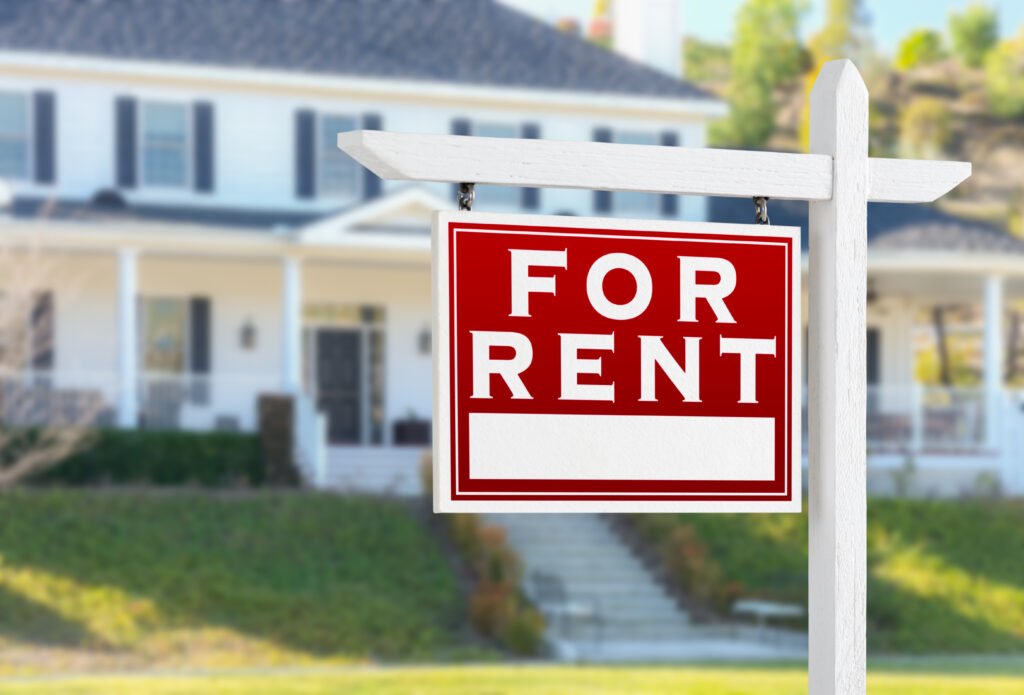
Looking for rental properties for sale but not sure where to start? You’re not alone. Most first-time landlords spend weeks scrolling the same three real estate apps, wondering why every “deal” they find is either overpriced or already under contract.
The truth is, finding rental properties for sale takes more than refreshing Zillow. It takes knowing where investors actually shop, how to read a market beyond the listing price, and whether to buy in your own name or through a business entity. Get those three things right, and the rest of the process — closing, leasing, collecting rent — gets a lot easier.
This guide walks through exactly how to find rental properties for sale, what separates a landlord-friendly market from a risky one, and how to decide if an LLC makes sense for your purchase.
This article is for informational purposes only and does not constitute legal or tax advice. Laws vary by state. Consult a qualified attorney or tax professional for advice specific to your situation.
Where to Find Rental Properties for Sale
There isn’t one single place to find rental properties for sale — successful landlords usually pull from several sources at once.
MLS and Realtor-Listed Properties
The Multiple Listing Service (MLS) is still the most reliable place to find rental properties for sale, especially if you’re new to investing. Every licensed agent has access to it, and it covers the vast majority of homes on the market in any given area. Working with an agent who specializes in investment property (not just primary residences) makes a real difference — they’ll know which listings are realistically going to cash flow and which ones are priced for an emotional buyer.
Off-Market and Wholesale Deals
Not every property for sale shows up on the MLS. Off-market deals — sold through wholesalers, direct mail campaigns, or word of mouth — are another way to find rental properties for sale before they hit public listings. These deals can come with better pricing, but they also come with less transparency, so a thorough inspection matters even more.
Foreclosures, Auctions, and REO Listings
Bank-owned (REO) properties and foreclosure auctions are a classic way to find rental properties for sale below market value. The tradeoff is condition and speed — auction properties are usually sold as-is, with little time to inspect, and financing can be harder to line up on a tight timeline.
Online Marketplaces
Sites built specifically for investors — think Roofstock, LoopNet for commercial and larger residential deals, and even Zillow’s investor filters — make it easier to find rental properties for sale with cash flow data already built in. These platforms won’t replace due diligence, but they’re a fast way to screen dozens of listings before you get an agent involved.
Best Places to Buy Rental Property
Where you buy matters just as much as what you buy. The same $200,000 property can be a great investment in one market and a headache in another — which is why finding rental properties for sale in the right market matters as much as finding a good price.
What Makes a Market “Landlord-Friendly”
A landlord-friendly market usually means faster, more predictable evictions, fewer rent control restrictions, and reasonable property tax rates. Landlord-tenant law varies significantly by state and even by city, so what applies in one place may not apply a few miles away — always check current local regulations before you buy or sign a lease.
Cash Flow vs. Appreciation Markets
Some markets are built for cash flow: lower purchase prices, higher rent-to-price ratios, and steady month-to-month income. Others are appreciation plays: higher upfront cost, but stronger long-term equity growth. Before you buy, run the numbers with a cash flow calculator so you know whether a listing actually pencils out or just looks good on paper. In the U.S., states like Texas, Florida, and Indiana are frequently cited as landlord-friendly for cash flow investors, though rules and rent-related requirements do shift — some states even publish state-specific rent receipt and documentation requirements worth knowing before you close.
Should You Buy Through an LLC?
Once you’ve found rental properties for sale that fit your budget and market, the next decision is how to hold title: in your own name, or through a limited liability company (LLC).
Pros of an LLC for Rental Property
The main draw of an LLC is liability protection — if a tenant or visitor sues over an incident at the property, an LLC can help shield your personal assets from the claim. This matters most once you’ve moved past browsing rental properties for sale and are ready to close. LLCs also offer some flexibility in how rental income is taxed, since they’re typically treated as pass-through entities for federal tax purposes.
Cons and Costs
LLCs aren’t free. You’ll pay state formation fees, possibly an annual report fee, and in some cases a franchise tax. Financing can also get trickier — many conventional lenders prefer to lend to individuals, not entities, which can mean higher rates or a smaller pool of available loans once you’ve found rental properties for sale you’re ready to buy through a business.
LLC vs. Personal Name — Quick Comparison
Buying in your personal name is simpler and often easier to finance, but it puts your personal assets more directly in the path of a lawsuit. Buying through an LLC adds a layer of separation and paperwork, plus ongoing compliance costs. According to Nolo’s overview of LLCs for rental property, the right choice often comes down to how many units you own and how much risk you’re comfortable carrying personally. The IRS also publishes guidance on how LLCs are taxed that’s worth a read before you file formation paperwork.
This section is for general informational purposes only and does not constitute legal, tax, or financial advice. LLC formation requirements, benefits, and costs vary by state. Consult a licensed attorney or tax professional before deciding how to structure your rental property purchase.
Once your LLC (or personal-name purchase) is set up and your first tenant moves in, you’ll want a simple way to document every payment — generate your free rent receipt at FreeRentReceipt.com and keep clean records from day one.
What to Check Before You Buy
Finding rental properties for sale is only half the job — knowing what to check before you sign is what protects your investment.
Inspection and Condition
Always get a professional inspection, even on a property that looks move-in ready. This is the step that separates smart rental properties for sale from expensive mistakes — roof age, HVAC condition, plumbing, and foundation issues are the big-ticket items that can turn a good deal into a money pit.
Rent Estimates and Local Demand
Before you commit, verify what similar units are actually renting for — not what a listing agent estimates. When you’re comparing rental properties for sale, local rental comps, vacancy rates, and days-on-market for rentals in the area will tell you far more than a seller’s projection.
Financing Options for Investment Property
Investment property loans typically require larger down payments and higher credit scores than a primary-residence mortgage — worth knowing before you get attached to any rental properties for sale outside your budget. The Consumer Financial Protection Bureau’s home-buying resources are a solid starting point for understanding how financing terms differ once a property isn’t your primary residence.
After You Close: Setting Up for Success as a Landlord
Buying is just the beginning. Once you close on one of the rental properties for sale you’ve been evaluating, the real work — and the real income — starts with how you manage it. If you’re brand new to this, our guide on how to become a landlord covers the basics of leases, screening, and your first tenant. And if you’re not planning to self-manage day to day, it’s worth understanding what property management really takes before you decide to go it alone.
One habit that pays off from the very first rent payment: solid record-keeping. Good landlord record-keeping practices make tax season easier and protect you if a payment dispute ever comes up. The fastest way to start? Start collecting rent the easy way with a free rent receipt generator — no spreadsheets, no guesswork.
For more rental management advice, browse our Landlord Tips category. For receipt templates, documentation help, and proof-of-payment guidance, explore our Rent Receipts category.
Conclusion
Learning how to find rental properties for sale is really about combining the right sources — MLS, off-market deals, auctions, and investor marketplaces — with a clear read on market fundamentals and the right ownership structure for your situation. Take it one step at a time: find the listing, check the numbers, decide how you’ll hold title, and get your systems in place before the first tenant moves in. Speaking of which — once you close, make rent tracking simple from day one with our free rent receipt tool.
FAQ
How do I find rental properties for sale near me? Start with the MLS through a local investor-focused agent, then expand to off-market deals, foreclosure listings, and investor platforms like Roofstock or LoopNet. Local real estate investor meetups are also a strong source of off-market leads.
Is it better to buy a rental property under an LLC? It depends on your risk tolerance, portfolio size, and financing situation. LLCs offer liability protection but add cost and can complicate financing. Talk to an attorney or tax professional before deciding.
What is a good cap rate for a rental property? Cap rates vary widely by market, but many investors look for 6% or higher in cash-flow-focused areas. Lower cap rates are common in high-appreciation markets where investors accept less monthly income for stronger long-term equity growth.
What are the best states to buy rental property in? Landlord-friendly states typically have faster eviction timelines, fewer rent control restrictions, and reasonable property taxes. When comparing rental properties for sale by state, Texas, Florida, and parts of the Midwest are popular picks, but always verify current local law before buying.
How much should I budget for my first rental property? Beyond the down payment, budget for closing costs, inspection fees, immediate repairs, and at least three to six months of reserves to cover vacancy or unexpected expenses.
Can I get a mortgage for a rental property under an LLC? Yes, but it’s harder. Many conventional lenders prefer lending to individuals, so LLC purchases often require portfolio lenders or commercial loan products with different rates and terms.
Do I need a property manager if I only own one rental? Not necessarily. Many landlords with one to four units self-manage successfully, especially with the right systems in place for rent collection, maintenance requests, and recordkeeping.
