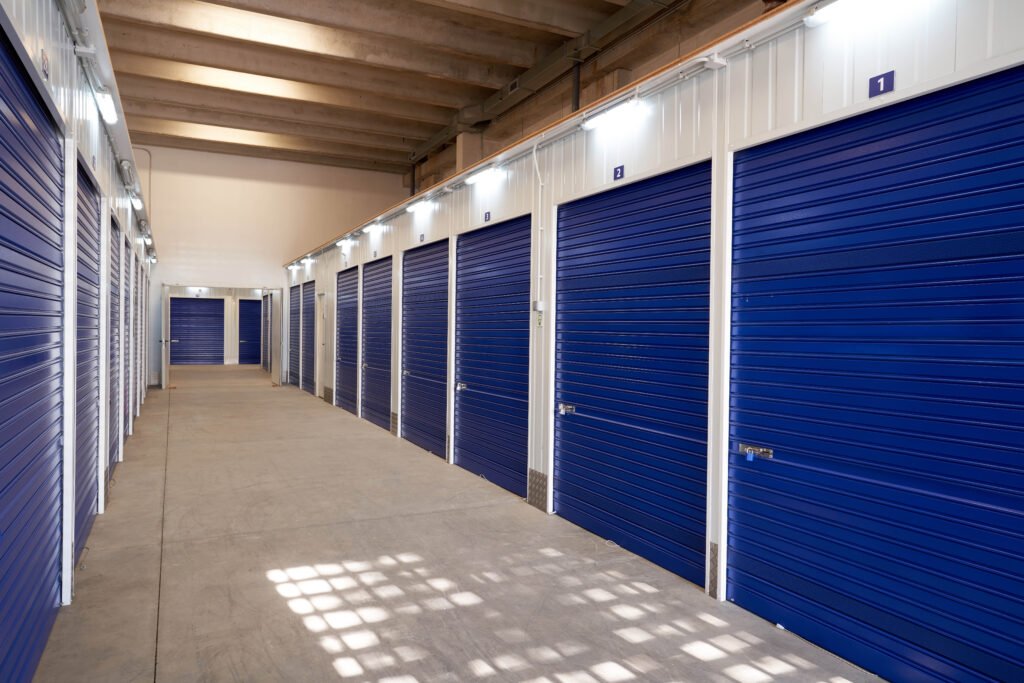
If you’re renting out a storage unit, a garage bay, or extra space on your property, a handshake deal isn’t going to protect you. A solid storage rental agreement spells out who’s storing what, when payment is due, who’s on the hook if something gets damaged, and what happens if the renter stops paying.
Whether you own a self-storage facility, rent out a detached garage, or just have a landlord with a spare shed or bay to lease, the same principle applies: get it in writing. This guide walks through what a storage rental agreement should include, how storage units differ from garage rentals, and how to keep clean records once the agreement is signed.
This article is for informational purposes only and does not constitute legal or tax advice. Laws vary by state. Consult a qualified attorney or tax professional for advice specific to your situation.
What Is a Storage Rental Agreement?
A storage rental agreement is a written contract between an owner (you) and a renter that covers the use of a storage space — a storage unit, a garage, a shed, or any similar space — in exchange for regular payment. Unlike a residential lease, it doesn’t grant the renter a right to live in the space; it grants them a right to store personal property there under specific conditions.
That distinction matters legally. Storage rentals generally fall outside residential landlord-tenant law, which means the rules around notice, eviction, and habitability that apply to apartments don’t automatically apply here. Instead, most states have separate statutes — often called a “self-service storage facility act” — that govern how owners can enforce unpaid rent, including the right to place a lien on stored property. Nolo’s FAQ on leases and rental agreements is a useful plain-English starting point if you want to understand how enforceability generally works before drafting your own terms.
Storage Unit vs. Garage Rental Agreements — Key Differences
Storage units and garage rentals both fall under the umbrella of a storage rental agreement, but the details you’ll want to nail down differ depending on what’s being stored.
Storage unit specifics
A typical storage unit agreement should address climate control (if offered), access hours, unit size, and any restrictions on what can be stored — flammable materials, perishables, and hazardous items are almost always off-limits. Many state self-storage statutes require the agreement to disclose the owner’s lien rights in writing, so this isn’t optional boilerplate — it’s often a legal requirement. Florida owners, for example, should review the state’s Self-Storage Facility Act (Chapter 83, Part III), which spells out exactly what a storage rental agreement must disclose and how a lien can be enforced.
Garage rental specifics
Garage rentals usually involve vehicle storage, so your storage rental agreement should cover which vehicles are permitted, whether the renter can perform repairs or maintenance on-site, who’s responsible for utilities if the garage has power, and how liability is handled if a vehicle leaks fluid or causes damage. Garage rentals sometimes fall closer to a standard lease than a pure storage contract, especially if the renter has semi-regular access similar to a tenant.
What to Include in a Storage Rental Agreement
A complete storage rental agreement should cover the following, regardless of whether you’re renting a unit or a garage bay.
Parties, property description, and term length
Name both parties, describe the exact space being rented (unit number, garage address, dimensions), and state whether the storage rental agreement is month-to-month or for a fixed term.
Payment terms and due dates
Spell out the monthly rate, due date, accepted payment methods, and any late fee structure. This is also where you’ll want a clear, repeatable way to document each payment — a simple proof-of-payment record for every transaction saves a lot of back-and-forth later, and we’ll cover exactly how to do that below.
Access rules and hours
Define when the renter can access the space, whether advance notice is required for owner entry, and how keys, codes, or gate access are issued and returned.
Liability and insurance
Most storage rental agreements limit the owner’s liability for damage to stored property and require (or strongly encourage) the renter to carry their own insurance, since standard homeowners or renters policies don’t always cover off-site storage.
Prohibited items and use restrictions
List what can’t be stored — this typically includes hazardous materials, illegal items, live animals, and anything perishable. Being explicit here protects you if something goes wrong.
Termination and default clauses
Spell out how either party can end the agreement, what counts as default (usually non-payment), and what happens next — including any lien rights you have under your state’s self-storage statute. According to Nolo’s overview of storage facility disputes, most states allow an owner to deny a defaulting renter access to their unit and eventually sell the contents at auction if payment isn’t made, though the exact notice period and process depends on state law.
Free Storage Rental Agreement Template
Ready to put this in writing? Here’s a simple structure you can adapt for a storage unit or garage rental:
Storage Rental Agreement
This agreement is made between [Owner Name] (“Owner”) and [Renter Name] (“Renter”) for the storage space located at [Address/Unit Number].
Term: [Month-to-month / Fixed term start–end date]
Rent: $[Amount] due on the [Day] of each month, payable via [Method]
Late Fee: $[Amount] if payment is not received within [Number] days of the due date Access: Renter may access the space [Hours/Days]. Owner may enter with [Number] days’ notice for [Reasons].
Prohibited Items: [List]
Liability: Owner is not responsible for loss or damage to stored property except as required by law. Renter is encouraged to carry insurance covering stored items.
Default: Failure to pay rent within [Number] days may result in denial of access and, where permitted by state law, enforcement of the owner’s lien.
Signatures: ___________________ (Owner) ___________________ (Renter)
Date: ___________
Fill in the brackets, adjust the clauses to match your state’s self-storage rules, and have both parties sign and keep a copy. If you want help tracking what’s actually paid each month once the agreement is signed, generate your free rent receipt at FreeRentReceipt.com — it takes less than a minute and gives both sides a clean paper trail.
How to Document Storage Rental Payments
A storage rental agreement sets the terms — but it doesn’t prove that rent actually got paid. That’s a separate, ongoing task, and it’s one that trips up a lot of owners who are managing payments informally, especially when rent comes in as cash or a personal check.
Every time a renter pays, issue a dated receipt showing the amount, the payment method, the space or unit number, and the period it covers. This matters for three reasons: it protects you if a renter later disputes a charge, it gives you a clean record for tax purposes, and it makes it much easier to enforce a default clause if you ever need to show a timeline of missed payments.
You don’t need special software for this. Our record-keeping guide covers the basics of staying organized as a small operator, and if you want a faster way to issue receipts than typing them up by hand, you can track your storage rent payments with our free rent receipt generator — no signup required, and it works just as well for a garage rental as it does for a residential lease.
Common Mistakes to Avoid
Skipping the written agreement entirely. A verbal understanding might feel fine until a dispute happens — then you have nothing to point to.
Copying a residential lease template. Residential leases include clauses (habitability, eviction notice periods) that don’t apply to storage rentals and can create confusion about what rights the renter actually has.
Leaving out lien language. If your state’s self-storage statute requires disclosure of lien rights in the agreement, leaving it out can weaken your ability to enforce the lien later.
Not tracking payments consistently. Verbal payment promises and untracked cash are the most common source of disputes in storage rentals — a simple receipt habit solves this.
Forgetting to specify prohibited items. Without this in writing, you have less ground to stand on if a renter stores something hazardous or against your policies.
For more rental management advice, browse our Landlord Tips (https://rentreceiptblog.com/category/landlord-tips/) category. For receipt templates, documentation help, and proof-of-payment guidance, explore our Rent Receipts (https://rentreceiptblog.com/category/rent-receipts/) category.
If you’re also managing a standard residential unit alongside your storage space, it’s worth comparing notes with our month-to-month lease agreement template, since some owners use a similar flexible structure for both. And if you’re renting to a business rather than an individual, our commercial lease agreement template breaks down what changes when the renter isn’t a private party.
A storage rental agreement is really just one piece of good documentation practice. Pair it with a move-in checklist if the renter is dropping off items in bulk on day one, so you both have a record of condition and contents from the start.
Getting the agreement right up front — and staying consistent about documenting payments after — is what keeps a storage or garage rental simple instead of turning into a dispute. Once your agreement is signed, generate your free rent receipt at FreeRentReceipt.com every time a payment comes in, so you’ve always got a clean, dated record on hand.
FAQ
Is a storage rental agreement legally binding? Yes, as long as it’s signed by both parties and meets your state’s contract requirements. Most states also require specific lien-disclosure language for self-storage facilities, so check your state’s self-storage statute before finalizing yours.
Do I need a separate agreement for a garage vs. a storage unit? Not necessarily separate documents, but the terms should differ. Garage agreements typically need vehicle and liability clauses; storage unit agreements focus more on access hours and prohibited items.
What happens if a renter defaults on a storage unit payment? Most states let owners deny access after a set number of days and, eventually, enforce a lien and sell the contents through a public sale — but the process and notice periods are state-specific, so check your local self-storage law before acting.
Can a storage rental agreement include insurance requirements? Yes. Many owners require renters to carry their own insurance for stored property, since standard homeowners or auto policies often exclude off-site storage.
How is a storage rental agreement different from a lease? A lease typically grants a right to occupy and live in a space; a storage rental agreement grants a right to store property. Storage rentals usually fall outside residential landlord-tenant law and instead follow a state’s self-storage statute.
